

Kenyir Lake, tucked away in Malaysia’s verdant interior, is a heaven for ecotourists and a culinary goldmine. As you embark on your journey to this tranquil location, be ready to savor various local dishes that showcase the region’s rich cultural history.
Near Kenyir Lake, you’ll find a plethora of mouthwatering delicacies that you simply must try.
This travel food guide will lead you through each one, explaining the dish’s ingredients, cooking techniques, and cultural importance.
Ikan Patin Masak Tempoyak (Patin Fish Cooked In Fermented Durian)

In the rivers and lakes that surround Kenyir, you can often see freshwater fish like ikan patin, sometimes called patin fish. One famous dish that uses this fish is Ikan Patin Masak Tempoyak.
An aromatic gravy made with spices, coconut milk, and tempoyak (fermented durian) cooks it.
The odd combination of the mild fish flesh with the robust flavor of fermented durian makes this dish so popular among locals.
Indulge in the delectable fusion of flavors that defines Terengganu cuisine with every bite.
Fish Curry With Rice, Or Nasi Dagang

Nasi Dagang, a traditional dish from the eastern coast of Malaysia, is popular in Terengganu.
It consists of fragrant coconut milk-cooked rice accompanied by a fiery fish curry, typically using mackerel or tuna.
Common accompaniments to the main course include pickled vegetables, hard-boiled eggs, and a spicy sambal. Try some Nasi Dagang if you’re ever in the Kenyir Lake region.
Something about how the flavors and textures come together makes your mouth swim.
Crackers Made Of Fish (Keropok Lekor)

When you’re in the Kenyir Lake region, you must eat Keropok Lekor. An all-time favorite snack, these long, cylindrical rolls are filled with a combination of fish paste and sago flour and deep-fried until crispy.
With a spicy dipping sauce, Keropok Lekor becomes even more delicious for travelers.
This delicious dish is sold by street sellers in neighboring towns; it’s ideal for a quick snack as you tour the area.
Tamarind Sauce (Grilled Fish With Banana Leaves)
Saur, a regional specialty, is a grilled dish that encases minced fish in banana leaves with seasoned seasonings.
The grilling process gives the fish a smokey flavor, bringing out its best taste. Satar, usually served with a spicy sauce, is an excellent option for tourists looking for something different.
The local fishing tradition is reflected in this dish, which showcases fresh ingredients collected from the adjacent waters.
Fish Curry, Or Gulai Ikan
Aromatic and flavorful, Gulai Ikan is a fish curry that highlights the best of Malay cooking.
The fish in this recipe is usually caught in Kenyir Lake and cooked with a blend of spices, coconut milk, and fresh herbs.
The fragrant curry goes well with rice so that you can savor every bite.
Try a few different kinds of Gulai Ikan while you’re there; each location has its twist on the dish.
John Bread Or Roti John

Near Kenyir Lake, you’ll discover several food carts selling Roti John, a famous Malaysian street cuisine.
The filling for this tasty sandwich consists of eggs, vegetables, minced meat, and a toasted baguette.
Roti John is typically topped with chili sauce and mayonnaise, a delicious snack that goes well with the easygoing vibe of your travels.
Ulam (Malay Salad)
If you’re in the mood for a healthy, light salad, try ulam, a traditional Malay dish. It uses a variety of fresh herbs, veggies, and even fruits.
Regular fare like cucumbers, long beans, and wild herbs typically come with a sour sauce or a spicy sambal.
The revitalizing Ulam highlights the region’s abundance of fresh food. It has never been easier to eat healthily when on vacation.
Laksam, A Dish Of Coconut Curry With Rice Noodles
The classic recipe for laksam calls for thick rice noodles cooked in a coconut curry broth.
Accompany with sambal and garnish with fresh herbs for an additional kick.
No matter what time of day it is, laksam is sure to satisfy your hunger and introduce you to the local cuisine.
The Fried Rice Of Pattaya
Although it is not a typical Malay meal, Pattaya Fried Rice has gained popularity among locals and tourists.
Fried rice covered in an egg omelet is a tasty dish that is usually served with sweet chili sauce on the side.
Delicious and filling, it’s a great alternative for a fast lunch, especially for anyone checking out the lively restaurant scene around Kenyir Lake.
Cendol (Shaved Ice Dessert)
Cendol is a shaved ice dessert perfect for washing down all those tasty dishes. This cherished treat mostly consists of shaved ice, cendol, a jelly made from green rice flour, and palm sugar syrup.
The creamy and sugary finale to a meal is cendol, served with red beans or sweet corn.
As you take in the sights of Kenyir Lake, treat yourself to a tasty Cendol treat. All around the lake, you’ll see food stands selling them.
Spicy Grilled Chicken, Also Known As Ayam Percik
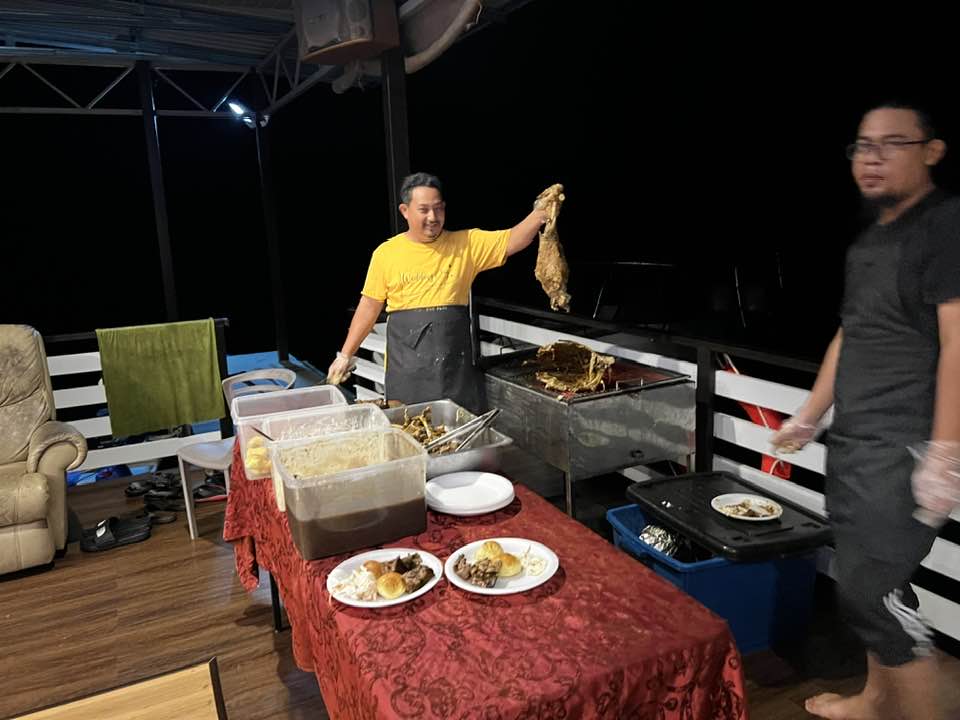
The chicken in Ayam Percik is char-grilled until it’s cooked to perfection after marinating in a mixture of spices and coconut milk.
Succulent and tasty, the chicken has a spicy taste and a hint of smoke. The dish is a delicious representation of regional cuisine, and traditional sides to Ayam Percik include roti or rice.
This combination is perfect for travelers looking for a filling dinner.
Rice Sticky With Coconut Filling (Pulut Inti)
Pulut Inti, a delicious dessert topped with a rich coconut filling and prepared with glutinous rice, is sure to captivate sweet tooths.
The rustic aroma and flavor of this dish are enhanced by the traditional usage of banana leaves to wrap it.
Anyone looking for quick and satisfying food on the go loves Pulut Inti, whether they’re a native or just passing through.
Mee Rebus Means Spicy Gravy With Boiled Noodles
Mee Rebus is a famous Malaysian noodle dish that features cooked noodles in a spicy gravy made with a blend of spices and sweet potatoes.
Traditional toppings include hard-boiled eggs, fried tofu, and green onions.
This rich and delightful option is perfect for those searching for a substantial dinner while savoring the local food around Kenyir Lake.
Asam Pedas (Spicy And Sour Fish)

The region’s characteristics are reflected in the spicy and sour fish dish known as Asam Pedas.
Local fish is usually cooked until it’s soft in this dish, which incorporates tamarind, chili, and a variety of spices.
For individuals who relish robust and acidic flavors, Asam Pedas is the ideal dish to accompany steaming rice.
Every visitor to Malaysia should have this dish, as it is an essential part of the local cuisine.
Spicy Rice Porridge Or Bubur Lambuk
During Ramadan, when people fast, Bubur Lambuk, a traditional rice porridge, is very popular.
Rice cooked in broth with spices and occasionally shredded meat makes for a hearty and satisfying meal.
On those chilly nights near Kenyir Lake, travelers looking for a hearty and filling lunch can’t do better than Bubur Lambuk.
Squid That Is Crispy Fried
The seafood around Kenyir Lake is fresh and plentiful, and one popular dish that highlights this is crispy fried squid.
The squid has a crispy outside and a soft interior after being coated in a thin batter and deep-fried until it turns golden brown.
Crunchy fried squid, often with a spicy dipping sauce, is a great appetizer or snack for tourists who want to taste the lake’s characteristics.
Nasi Kerabu, Vermicelli With Herbs And Other Seasonings
You can’t go wrong with Nasi Kerabu, a visually gorgeous and tasty rice dish. The rice is tinted with butterfly pea blossoms, traditionally served with fried chicken, grilled fish, and a variety of fresh herbs.
The dish is often accompanied by sambal, a spicy sauce.
A must-try for any tourist, Nasi Kerabu is a local specialty that highlights the region’s diverse cuisine.
Stir-Fried Flat Noodles, Also Known As Char Kway Teow
Flat rice noodles, shrimp, Chinese sausage, bean sprouts, and chives are stir-fried to create Char Kway Teow, a famous street food in Malaysia.
Cooking it in a hot wok enhances the dish’s smokiness.
Char Kway Teow may be found at several food stands around Kenyir Lake if you’re looking for a hearty dinner.
Bananas Fried
Visitors to Malaysia must savor the local specialty, fried bananas, before departing.
A ripe banana, breaded and deep-fried, will have a crispy exterior and a mushy, sweet interior.
Indulge in a fried banana with powdered sugar or honey for a sweet snack that pairs well with piping hot drinks.
Candies With A Traditional Malay Twist
Last but not least, try some traditional Malay kuih—little sweets made with sticky rice, coconut, and palm sugar.
Some versions include Kuih Serimuka and Kuih Koci, glutinous rice dumplings filled with coconut, and tiered cakes.
Other variations include coconut custard over sticky rice and glutinous rice dumplings. Indulging in these colorful and exquisitely prepared sweet treats is a wonderful way to experience the local dessert culture.
Reasons To Try Traditional Food Close To Kenyir Lake
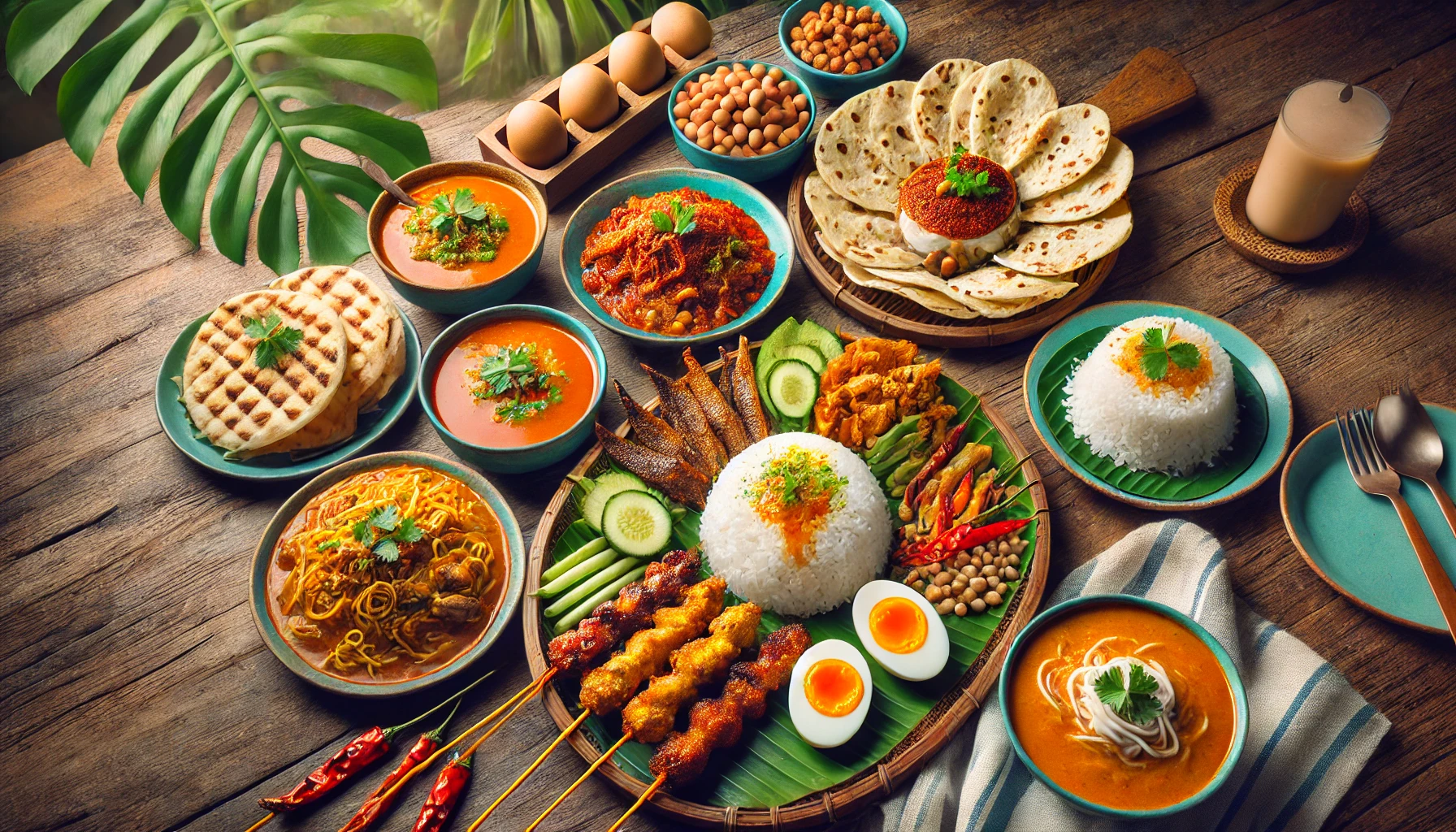
Immersion in local culture
You can better immerse yourself in the local culture by trying some local cuisine.
One method to learn about a people’s lifestyle and customs is to sample their food, which often reflects their history and traditions.
Ikan Patin Tempoyak and Nasi Kerabu are two dishes that can enhance a vacation.
This information can help you better understand the cultural importance of these dinners in Terengganu.
Flavors and Ingredients That Are So Unique
True, every location has its unique tastes and ingredients; Kenyir Lake is no different.
Ingredients used in many regional cuisines are often seasonal and/or hard to come by in other parts of the world.
The region’s rich agricultural resources are reflected in the recipes that incorporate fragrant herbs and spices and fresh fish from the lake. Your taste buds are in for a treat as they embark on this delicious adventure.
Contribute to the Local Economy
You can do your part to boost the local economy and support local businesses by dining at restaurants in your area and trying new traditional dishes.
Your support allows local farmers and fisherman to keep producing fresh foods, keeping traditional food methods alive and fostering a sense of community and sustainability.
Health Benefits
Traditional dishes may be healthier than processed or fast meal options because they use fresh ingredients and traditional cooking methods.
Vegetables, lean meats, and whole grains abound in many regional dishes.
Keropok Lekor, when cooked correctly, is an excellent example of a dish that provides protein with few calories.
The Uncovering of Alternative Components
You might not be aware of the ingredients used in many traditional dishes because they are not commonly used.
Trying out regional delicacies might help you become familiar with various flavors and concepts in the culinary world.
It is possible that you would have a fresh liking for items such as tempoyak, fermented durian, or kerabu, a dish similar to a salad, so broadening your culinary horizons.
Improvements to the Travel Experience

Food is frequently considered an essential component of any vacation experience.
Participating in a meal with locals or fellow travelers can result in stimulating talks and the formation of memories that will last a lifetime.
The experience of sampling local dishes correlates with an increased awareness of the region, which in turn makes your trip more meaningful.
Sources of Idea for Your Cooking
If you want to bring those flavors to your kitchen, you can look to traditional dishes for ideas.
Some of the recipes or cooking techniques you discover online may inspire you to try them out in your kitchen.
Learning about the local cooking methods and ingredients will help you hone your cooking skills and increase your variety of techniques.
The Social Connection
The power of food has the capacity to bring people together. Dining at local eateries, which frequently results in interactions with the cooks and other patrons, can foster a sense of community.
Exchanging experiences, talking about the components, and sharing food can also enhance your vacation experience.
Habitat and the Preservation of Tradition
By focusing on what’s locally accessible and in season, traditional recipes often highlight sustainability.
By giving traditional recipes a try, you can demonstrate your support for eco-friendly and biodiversity-promoting activities.
Preserving cultural history is aided by showing an understanding of the local community’s culinary traditions.
A Trip That Will Live Long in the Memory
Last but not least, the pleasure of trying traditional cuisine will become a part of your journey that you will never forget.
Each bite conveys a narrative, and each dish brings back memories of the sights, sounds, and people that you have experienced.
These gastronomic experiences have the potential to become cherished tales that you will enjoy telling long after your travels have come to an end.
Nature lovers will be amazed by Kenyir Lake, but foodies seeking authentic Malaysian cuisine will be in culinary heaven.
The aromatic and spicy meals and sweet and exquisite desserts of the Kenyir Lake area’s culinary scene highlight the region’s cultural wealth and culinary heritage.
Around Kenyir Lake, you’ll find exciting food carts selling regional delicacies and quaint restaurants serving delectable dishes. If you want to get the most out of your visit to this beautiful part of Malaysia and its